古古古米
kokokomai"Old-old-old rice" — rice stored in government reserves for three years, which became a 2025 buzzword during Japan's Reiwa rice crisis (令和の米騒動).
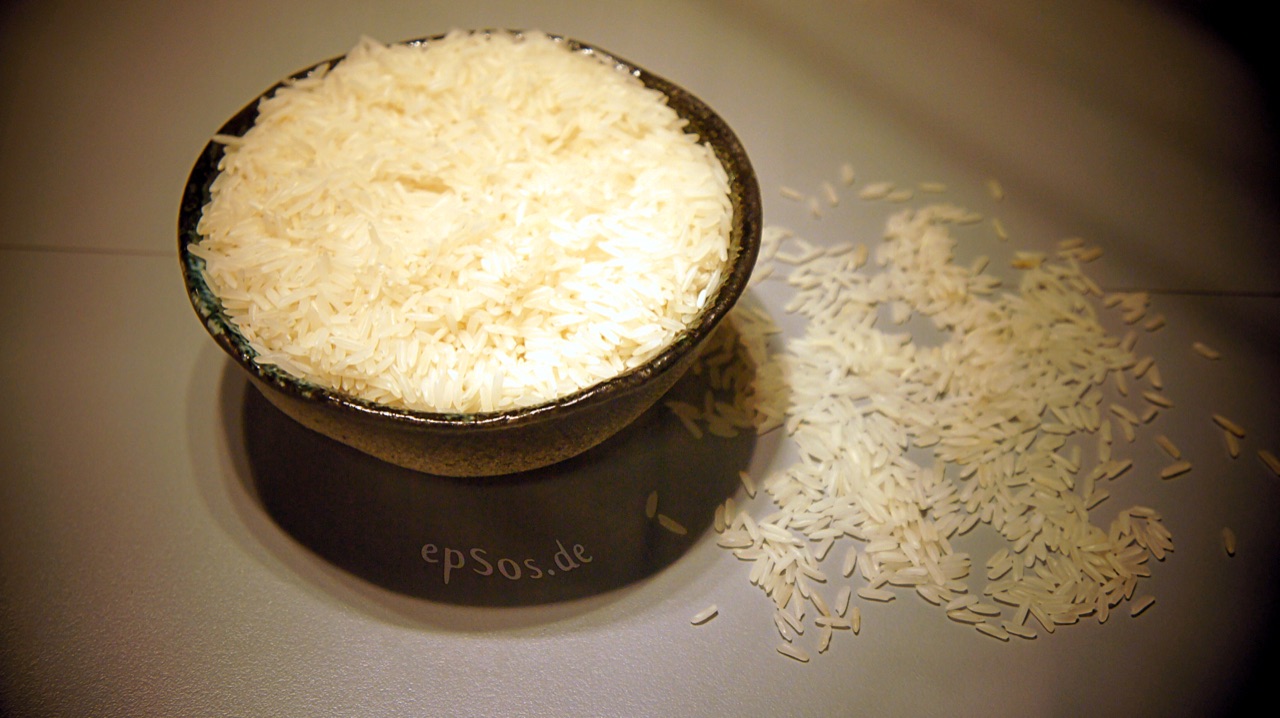
Plain cooked Japanese white rice — the everyday staple at the centre of the 2025 「令和の米騒動」 rice crisis. Photo: epSos.de, CC BY 2.0, via Wikimedia Commons.
Meaning
古古古米 (kokokomai) literally means "old-old-old rice." It refers to rice that has been held in government reserves for about three years — specifically, the 令和3年産 (2021 harvest) rice that the Japanese government released from its emergency stockpile in 2025.
The term sits at the top of an escalating ladder of "how old is this rice?" vocabulary. Each additional 古 (ko, "old") adds another year of storage:
| Term | Reading | Romaji | Age | Harvest year (as of 2025) |
|---|---|---|---|---|
| 新米 | しんまい | shinmai | freshly harvested | 2024/2025 |
| 古米 | こまい | komai | 1 year old | 令和5年産 (2023) |
| 古古米 | ここまい | kokomai | 2 years old | 令和4年産 (2022) |
| 古古古米 | こここまい | kokokomai | 3 years old | 令和3年産 (2021) |
| 古古古古米 | こここまい | kokokokomai | 4–5 years old | 令和2年産 (2020) |
The more 古 characters, the older — and, in popular perception, the less tasty — the rice.
Usage
The word spread through news coverage and social media in mid-2025 as people debated whether years-old stockpile rice was worth buying at discount prices.
「スーパーで古古古米が安く売ってたよ。」
"The supermarket had kokokomai (three-year-old rice) on sale cheap."
「古古古米って、ちゃんと炊けば意外とおいしいらしい。」
"Apparently kokokomai actually tastes surprisingly good if you cook it properly."
The tongue-twister quality of こここまい (ko-ko-ko-mai) made it a favorite for jokes online, and the even older 古古古古米 (kokokokomai) pushed the gag further.
Cultural Context
In 2025 Japan experienced the 令和の米騒動 (Reiwa no kome sōdō, "the Reiwa rice riots/crisis") — a sharp spike in rice prices that emptied supermarket shelves. Causes included the extreme summer heat of 2024 damaging the harvest, surging inbound-tourism demand, and panic-buying.
To bring prices down, the government began releasing rice from its 政府備蓄米 (seifu bichikumai, "government stockpile rice") — a strategic reserve held for emergencies. Releases to the market began in earnest around 29 May 2025, and because the reserve contained rice from several past harvests, some of what was released was two, three, or even four-plus years old. That is how 古古古米 — and the even more extreme 古古古古米 — entered everyday conversation.
Agriculture Minister 小泉進次郎 (Koizumi Shinjirō) played a visible role: he publicly tasted the stockpile rice, argued that Japan's storage and quality control are "world-class," and suggested that labels like 令和3年産 (2021 harvest) might be clearer than the 古-stacking nicknames. He even invited the public to propose new names, sparking a flood of playful suggestions online.
In Popular Culture
The phrase's rhythmic 古古古 (ko-ko-ko) structure inspired memes. One widely shared joke riffed on the band RADWIMPS' song 前前前世 (Zenzenzense) from the film 君の名は。 (Your Name), reworking it as 古古古米 with parody lyrics about rice prices — "君の名は。" (Kimi no na wa) becoming "米の値は" (Kome no ne wa, "the price of rice").
In November 2025, 古古古米 was selected as one of the 30 nominees for the 新語・流行語大賞 (Shingo・Ryūkōgo Taishō, the U-CAN New Words and Buzzwords of the Year Award), cementing its status as a word that captured the mood of the year.
Why It Matters
古古古米 is more than a quirky word. It became shorthand for the whole 2025 rice story: a wealthy, food-secure country suddenly worrying about rice supply, a government dipping into reserves it rarely touches, and consumers re-evaluating old assumptions about freshness versus price. For Japanese learners, it is also a neat illustration of how Japanese builds intensified vocabulary by simply repeating a character (古 → 古古 → 古古古).