オタク
otakuA term for people with obsessive interests, originally pejorative but now embraced as an identity in fan communities.
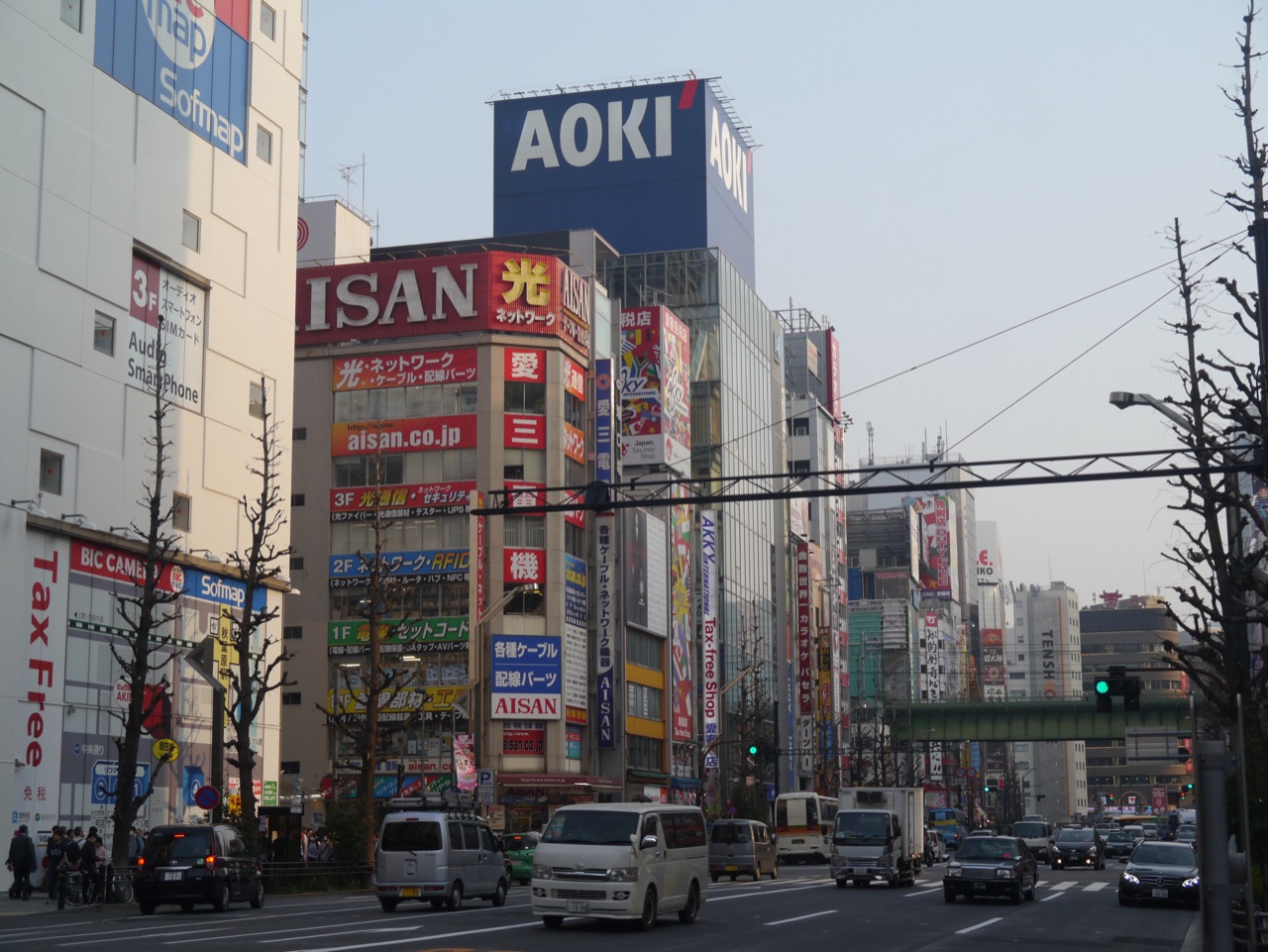
Akihabara ("Akiba"), Tokyo's electronics-and-anime district and a hub of otaku culture. Photo: Zairon, CC BY-SA 4.0, via Wikimedia Commons.
Meaning
オタク (otaku) refers to people with consuming interests, particularly in anime, manga, video games, and related subcultures. While originally a pejorative term implying social awkwardness and obsessive behavior, it has undergone significant rehabilitation and is now often worn as a badge of pride.
The word comes from お宅 (otaku), an extremely polite way to say "your house" or "you," which was stereotypically used by socially awkward fans when addressing each other.
Historical Evolution
1980s: Emergence and Stigma
The term gained widespread attention after essayist Akio Nakamori used it in 1983 to describe fans at Comiket (Comic Market). Initially neutral, the term became heavily stigmatized after the 1988-89 "Otaku Murderer" case, when serial killer Tsutomu Miyazaki was portrayed by media as a representative otaku.
For years, being called オタク implied:
- Social dysfunction
- Inability to distinguish fantasy from reality
- Potential danger
- Being a societal outcast
2000s: Rehabilitation
The perception began shifting through:
- Densha Otoko (電車男, 2004-05) — A story of an otaku finding love, portrayed sympathetically
- Growing economic impact — The "otaku market" became worth trillions of yen
- International spread — Anime and manga gained global popularity
- Moe culture — Mainstream recognition of cute character appreciation
2010s-Present: Mainstream Acceptance
Today, many people openly identify as otaku:
私、完全にアニメオタクです。 Watashi, kanzen ni anime otaku desu. "I am totally an anime otaku."
Celebrities, politicians, and businesspeople acknowledge their otaku interests publicly.
Types of Otaku
The term now encompasses many specialized interests:
| Type | Interest |
|---|---|
| アニメオタク (anime otaku) | Anime |
| 漫画オタク (manga otaku) | Manga |
| ゲームオタク (game otaku) | Video games |
| アイドルオタク (idol otaku) | Idol groups |
| 鉄道オタク (tetsudou otaku) | Trains |
| ミリタリーオタク (military otaku) | Military history/equipment |
| カメラオタク (camera otaku) | Photography equipment |
| 歴史オタク (rekishi otaku) | History |
Related Terms
| Term | Meaning |
|---|---|
| ヲタク / をたく | Alternative spelling, sometimes more self-deprecating |
| ヲタ (wota) | Abbreviated form |
| キモオタ (kimota) | "Gross otaku" — still pejorative |
| リア充 (riajuu) | "Normie" — someone fulfilled by real life (opposite) |
| 陰キャ (inkya) | Introverted person |
| 隠れオタク (kakure otaku) | "Closet otaku" — hiding interests |
Otaku Culture
Otaku culture has developed its own ecosystem:
Sacred Places
- Akihabara (秋葉原) — Tokyo's "Electric Town," otaku mecca
- Nakano Broadway — Vintage goods and collector items
- Comiket — World's largest doujinshi fair
Practices
- Collecting — Figures, merchandise, limited editions
- Pilgrimage (聖地巡礼) — Visiting real locations from anime
- Cosplay — Costume play at events
- Creating — Doujinshi, fan art, fan fiction
Economic Impact
The otaku market in Japan is estimated at over 2 trillion yen annually, encompassing:
- Anime and manga
- Figures and merchandise
- Video games
- Idol goods and concerts
- Related tourism
This economic clout has helped legitimize otaku interests as a valid cultural force.
International Adoption
"Otaku" has been adopted worldwide, though its meaning varies:
- In the West: Often simply means "anime/manga fan" without stigma
- In Japan: Still carries more complex connotations
海外では「オタク」がクールだと思われてるらしい。 Kaigai de wa "otaku" ga kuuru da to omowareteru rashii. "Apparently overseas they think being otaku is cool."
Modern Perspective
While オタク has been largely destigmatized, nuance remains:
- Self-identifying as otaku is acceptable
- Calling someone else an otaku can still be rude depending on context
- The depth of obsession still matters—casual fans vs. hardcore collectors
- キモオタ (kimota/gross otaku) remains insulting
The evolution of オタク reflects broader shifts in how Japanese society views individuality, passion, and nonconformity.